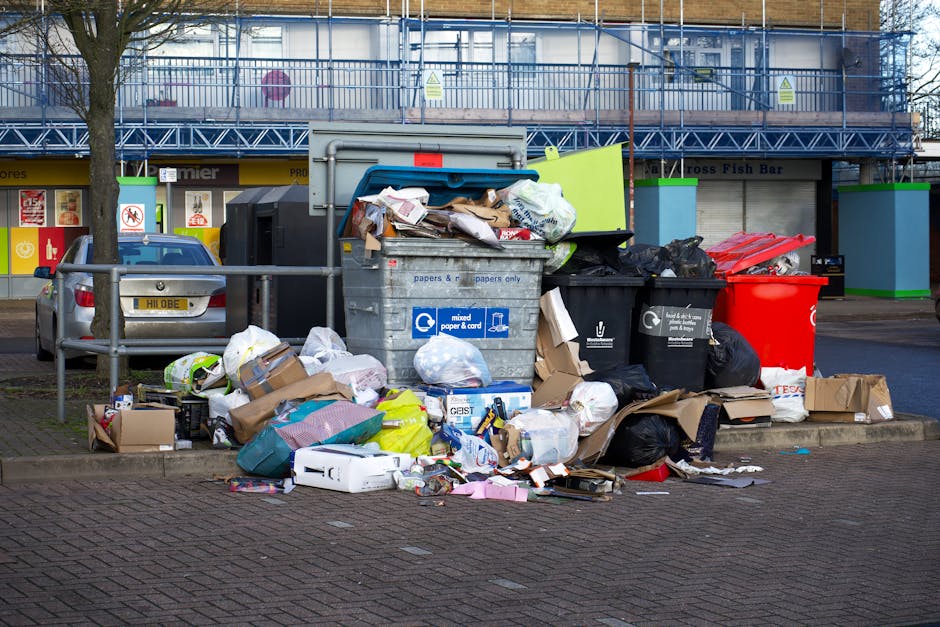
Honor Oak Park rubbish clearance guide for narrow access jobs
If you are trying to clear rubbish from a cramped terrace, a basement flat, a top-floor conversion, or a rear garden with barely enough room to turn a wheelbarrow, you already know the problem: the waste is easy to see, but not easy to move. This Honor Oak Park rubbish clearance guide for narrow access jobs is here to make that job feel manageable. It explains how narrow access clearance works, what usually causes delays, how to prepare, and when it makes sense to call in a team that is used to awkward stairs, tight hallways, shared entrances, and those slightly frustrating little side passages London properties are famous for.
Truth be told, narrow access jobs are rarely difficult because of the rubbish itself. They are difficult because of the route. That is the bit people underestimate. A sofa might be lightweight enough on paper, but if it has to twist around a banister, down a steep stairwell, and through a back gate that only opens halfway, the whole plan changes. So let's go through it properly, in plain English, with practical detail you can actually use.
Table of Contents
- Why Honor Oak Park rubbish clearance guide for narrow access jobs Matters
- How Honor Oak Park rubbish clearance guide for narrow access jobs Works
- Key Benefits and Practical Advantages
- Who This Is For and When It Makes Sense
- Step-by-Step Guidance
- Expert Tips for Better Results
- Common Mistakes to Avoid
- Tools, Resources and Recommendations
- Law, Compliance, Standards, or Best Practice
- Options, Methods, or Comparison Table
- Case Study or Real-World Example
- Practical Checklist
- Conclusion
- Frequently Asked Questions
Why Honor Oak Park rubbish clearance guide for narrow access jobs Matters
Narrow access rubbish clearance matters because access affects everything: labour time, equipment choice, safety risk, cost, and whether a clearance can be completed in one visit or has to be broken into smaller loads. In areas like Honor Oak Park, where homes can include Victorian terraces, converted flats, rear extensions, shared courtyards, and stair-heavy buildings, the route out is often the real challenge. The waste might be straightforward. The building access is not.
What tends to catch people out is how quickly a simple clearance becomes awkward once there is a tight corner or a narrow stairwell. A chest of drawers may fit through the front door, but not around the landing. A pile of garden waste might look small until you realise it has to go through a kitchen, down steps, and across a communal path. You can feel the whole job slow down in real time.
That is why planning matters so much. A good narrow access clearance is not just "arrive and remove." It is more like map the route first, sort the load into manageable pieces, and choose the right method before anyone starts lifting. Done properly, this saves time and reduces the risk of damage to walls, floors, doors, and the items being removed.
Expert summary: narrow access jobs are won before the first item is moved. Accurate access checks, sensible load splitting, and the right lifting strategy usually matter more than brute strength.
If you are also clearing a whole room, it can help to think in categories rather than random piles. Furniture, appliances, bagged waste, builders' rubble, and loose mixed rubbish all behave differently. For example, bulky items may connect naturally with furniture clearance, while household declutters often sit more comfortably within home clearance or house clearance planning.
How Honor Oak Park rubbish clearance guide for narrow access jobs Works
A narrow access rubbish clearance usually starts with a quick assessment of the property layout. That means looking at things like doorway width, stair turns, ceiling height on landings, head clearance under beams, corridor length, and whether there is a usable rear route. In practice, even a few centimetres can make the difference between carrying something upright, tilting it, or disassembling it first.
The process normally follows a pattern:
- Access review - check the route from item to vehicle, not just the room where the rubbish sits.
- Item sorting - separate bulky furniture, bagged waste, appliances, garden waste, and anything potentially hazardous.
- Protection setup - use floor protection, gloves, and careful handling for tight stairways or painted walls.
- Manual moving strategy - decide whether items can be carried as-is, need two-person handling, or should be dismantled.
- Loading and removal - move in smaller, controlled loads rather than trying to force one oversized piece through a tricky route.
- Final sweep - check corners, behind doors, under stairs, and shared areas for leftover debris.
In narrow access jobs, speed comes from precision. That may sound a bit counterintuitive, but it is true. A careful crew can often work faster than a rushed one because they are not constantly backtracking, pausing to reset, or trying to rescue a jammed item halfway down a staircase.
There is also a practical choice to make about the type of removal. If you have a lot of mixed waste that can be carried out in stages, a general waste removal service may suit. If the job is a bit more specialised, say mixed renovation debris, then builders waste clearance can be more appropriate. For very bulky household items, services such as mattress and sofa disposal or fridge and appliance removal can be a cleaner fit.
Key Benefits and Practical Advantages
The biggest benefit of a narrow access rubbish clearance is simple: it gets awkward waste out without turning the property into a construction site. That matters if you live in a flat, run a business from a converted building, or share access with neighbours who would rather not have your old wardrobe blocking the hall all afternoon.
- Less stress - you do not have to figure out how to pivot a wardrobe around a staircase by yourself.
- Lower risk of damage - good handling reduces scuffs, chipped plaster, scratched bannisters, and bent doorframes.
- Better time control - the route is planned, so the work tends to run more smoothly.
- Cleaner finish - rubbish is removed in a more organised way, which helps with end-of-tenancy or pre-sale preparation.
- Safer lifting - narrow spaces often make lifting more awkward; a proper approach reduces strain and trip hazards.
There is also a quieter benefit people appreciate after the fact: relief. You know that heavy, slightly chaotic feeling when rubbish is sitting in a corner and you keep walking past it? Once it is gone, the whole space can feel lighter. Less cluttered. Less nagging. A small thing, maybe, but it changes how a home feels.
For some jobs, the right clearance approach also makes recycling easier. If you are sorting reusable items from waste, it may be worth looking at broader disposal options such as furniture disposal or the company's approach to recycling and sustainability. That does not make the job more glamorous, obviously, but it does make it more thoughtful.
Who This Is For and When It Makes Sense
This guide is useful for anyone facing a clearance where the access is tighter than the waste itself. That includes tenants leaving a flat, landlords dealing with left-behind furniture, homeowners clearing lofts or basements, and tradespeople removing debris from a small renovation site. It also applies to businesses in older buildings, where service corridors and staircases can be narrow enough to make even a modest clearance feel fiddly.
It often makes sense to use a specialist narrow access approach when:
- the property has narrow hallways, steep stairs, or awkward turns
- the rubbish is bulky, fragile, or difficult to dismantle
- you need to avoid disturbing neighbours in shared buildings
- the job includes mixed items from a declutter, move, or refurbishment
- you want a quicker, safer alternative to shifting everything yourself
Sometimes the job is bigger than first expected. That happens a lot. Someone calls about "a few bits," and then, once they start looking properly, the loft, garage, or spare room tells a different story. In those cases, related services like loft clearance, garage clearance, or even flat clearance can be a more realistic match than trying to tackle it piecemeal.
Step-by-Step Guidance
If you want a narrow access clearance to go well, start with the route. Not the rubbish. The route.
- Measure the problem points
Check door widths, stair landings, and the tightest corners. If you can, note anything fixed in place such as radiators, banisters, shelving, or awkwardly placed light fittings. Those details matter more than people expect. - Identify bulky items first
Large items dictate the plan. A sofa, mattress, fridge, desk, or wardrobe may need to be moved before smaller bags, because the larger piece can block the route or require two-person handling. - Separate what can be broken down
Flat-pack furniture, shelving, and some soft furnishings can often be dismantled to make the move easier. Be careful here. Not everything should be taken apart casually, and a wobbly screw in a stairwell is just asking for trouble. - Clear a path before lifting
Remove rugs, loose footwear, boxes, and anything that could become a trip hazard. Open internal doors fully if they do not swing into the path. Small thing, big help. - Load in a sensible order
Keep the most awkward items for when the route is clear and the team is warmed up. Loose rubble or bagged waste can often go first or last, depending on space and weight balance. - Protect the property
Use simple safeguards on corners, walls, and floor finishes. A narrow passage can scrape a wall in seconds. You can almost hear the paint give way if things go badly. - Finish with a room-by-room sweep
Check cupboards, behind doors, under stairs, and shared access points. Tiny leftovers have a habit of hiding until the very end.
If any part of the load is electrical, refrigerant-based, or otherwise specialised, treat it separately. A heavy appliance is not just heavy; it can also be awkward to handle and regulated differently. In those situations, proper appliance handling through fridge and appliance removal is often the cleaner route.
Expert Tips for Better Results
Here are the small, practical things that make a real difference on narrow access jobs.
- Take photos before you book - a few clear pictures of the route, the items, and the access point can prevent misunderstandings later.
- Be honest about the awkward bits - the narrow back gate, the broken latch, the three flights of stairs, the low ceiling. Mention them. It helps.
- Keep one route clear - if you have two possible ways out, use the better one and leave it clear from the start.
- Group items by shape, not just by room - long items, square items, and loose bags move differently.
- Plan around neighbours - shared halls and courtyards are easier to manage when you choose sensible times and keep noise down.
- Decide early what stays and what goes - last-minute decisions waste time and create clutter around the doorway.
One thing we often see is people leaving the "difficult item" until the end because they are hoping the job will somehow feel easier by then. Usually it does not. Sometimes the opposite, actually. If a piece looks impossible, deal with the access plan for that item first. The rest becomes much simpler once the biggest unknown is gone.
And if you are trying to clear a room full of mixed household items, services such as furniture clearance and home clearance can help you think in categories rather than chaos. Which, to be fair, is often half the battle.
Common Mistakes to Avoid
Narrow access jobs tend to fail for predictable reasons. The good news is that they are avoidable.
- Underestimating the route - people measure the item, then forget the corner, the landing, or the low beam.
- Assuming brute force will solve it - it rarely does. Tight access is a geometry problem more than a strength test.
- Not clearing the path first - one stray box in a hallway can turn a quick move into a clumsy shuffle.
- Mixing hazardous items with general waste - paint, chemicals, and similar items need separate handling. If in doubt, use hazardous waste disposal.
- Forgetting the neighbours - in shared buildings, poor timing and blocked access can cause avoidable friction.
- Leaving everything until the deadline - end-of-tenancy pressure creates rushed decisions and rushed lifting. Not ideal.
A smaller but common mistake is ignoring how the waste is sorted. Mixed loads may seem convenient, but if you can separate clean recyclable items from bulky general rubbish, the clearance usually runs more efficiently. That is where a little structure pays off.
Tools, Resources and Recommendations
You do not need a warehouse of equipment to manage a narrow access job, but a few practical tools help enormously.
| Tool or resource | Why it helps | Typical use |
|---|---|---|
| Gloves | Improves grip and protects hands | Lifting rough, dusty, or sharp-edged items |
| Floor protection | Reduces scuffs and marks | Hallways, stairs, and tight corners |
| Basic hand tools | Helps dismantle furniture safely | Flat-pack units, shelving, loose fittings |
| Heavy-duty sacks | Makes loose waste easier to carry | Bagged rubbish, soft contents, small clearances |
| Measuring tape | Useful for checking awkward gaps | Planning around doors and stair turns |
| Photo checklist | Shows the route and item size clearly | Quotes, planning, and pre-job assessment |
If you are comparing clearance approaches, it can also help to understand whether you are dealing with a flat, house, office, or trade-style job. For instance, office clearance may involve documents, desks, and equipment, while business waste removal often needs a more scheduled and low-disruption approach. For some jobs, a skip is not the easiest answer either, especially if access is tight or roadside space is limited. In those cases, reading about what can go in a skip can help you compare options properly.
Law, Compliance, Standards, or Best Practice
For narrow access rubbish clearance in the UK, the main compliance points are usually about safety, responsible waste handling, and correct segregation of certain materials. You do not need to become a legal expert to stay on the right side of things, but you should work with sensible standards.
Best practice normally includes:
- Keeping walkways clear so no one trips in shared or private access areas
- Using safe manual handling methods rather than forcing awkward lifts
- Separating hazardous items from general waste where relevant
- Handling electricals and appliances carefully to avoid damage and contamination
- Working in a way that respects neighbours and shared spaces
If your clearance involves confidential papers, business documents, or records from a home office, it is worth separating those items before removal. A service such as confidential shredding is the safer way to deal with sensitive paperwork than simply throwing it into general waste. Likewise, if you are storing the rubbish in a shared or managed building, you may also need to think about building rules, access permissions, and insurance-related expectations. That is the boring side of the job, yes, but it matters.
For service quality and peace of mind, it is also sensible to choose providers that are clear about safety, security, and how they operate. Pages like insurance and safety and health and safety policy are useful places to understand how a company approaches risk. Not thrilling reading, granted, but reassuring all the same.
Options, Methods, or Comparison Table
There is more than one way to handle a narrow access clearance. The right method depends on item size, access, urgency, and how much sorting is needed.
| Method | Best for | Pros | Trade-offs |
|---|---|---|---|
| Manual clearance with careful carrying | Small to medium loads, mixed household rubbish | Flexible, controlled, good for awkward routes | Can be slower if items are bulky or numerous |
| Partial dismantling before removal | Wardrobes, desks, shelving, flat-pack furniture | Makes tight turns easier | Needs tools and a careful approach |
| Specialist bulky item removal | Sofas, mattresses, appliances | Efficient for difficult single items | May not suit mixed clearances |
| Full property clearance | End-of-tenancy, bereavement, major declutter | Fastest way to reset the space | Requires more planning and access management |
| Skip-based approach | Driveway or straightforward loading access | Useful for ongoing projects | Often less practical where access is tight or parking is limited |
In real life, narrow access jobs often sit somewhere between manual clearance and specialist bulky item removal. That middle ground is where experience helps most. You need enough flexibility to deal with the route, but enough structure to avoid turning the job into a puzzle nobody asked for.
Case Study or Real-World Example
Picture a two-bedroom flat in Honor Oak Park with a narrow stairwell, a shared entrance, and a back access gate that opens only part-way because of a stubborn hinge. The flat owner wants to remove an old sofa, a mattress, a broken chest of drawers, and several bags of mixed clutter from a recent declutter. Nothing extreme. Nothing wild. But plenty awkward.
The sensible approach is to assess the route before touching the heavier items. The sofa is measured against the stair turns, the mattress is moved in a protected carry, and the chest of drawers is checked for whether it can be partially dismantled. The bags of clutter are grouped and carried separately, which keeps the stairwell from becoming crowded. A few minutes are also spent clearing the hallway and making sure the shared entrance is left tidy, because nobody wants to be the person who blocks the whole building at 9am on a weekday.
The job goes better because the route was treated as the main issue. Not the amount of rubbish. Not the type of room. The route. That is the bit that decides whether a narrow access clearance feels calm or chaotic.
Another common example is a garden shed clearance with a side passage so tight that only one item can be carried through at a time. In that situation, garden clearance planning becomes more useful than trying to rush it. Bag the loose material, separate anything sharp or damp, and keep the passage clear as you go. Slow is fine. Messy is not.
Practical Checklist
Use this before the clearance starts. It saves a lot of head-scratching later.
- Measure the narrowest door, stair turn, or corridor point
- Identify all bulky items that may need two-person carrying
- Decide whether any items should be dismantled first
- Clear rugs, boxes, shoes, and loose obstacles from the route
- Protect floors, walls, and corners where needed
- Separate appliances, confidential papers, and hazardous items
- Confirm access times for shared halls or courtyards
- Keep a final check for leftovers in cupboards, lofts, and under stairs
- Group waste by type so loading stays orderly
- Take photos if you want a clearer quote or better planning
A small note from experience: if you are unsure whether an item will fit, assume it will not until you prove otherwise. That mindset is oddly helpful. Saves drama. Sometimes saves a wall, too.
Conclusion
Narrow access rubbish clearance in Honor Oak Park is all about preparation, not panic. Once you understand the route, the access points, and the type of waste involved, the whole job becomes far more manageable. The trick is to treat awkward spaces with respect: measure properly, move carefully, and choose the clearance method that fits the property rather than forcing the property to fit the waste.
Whether you are clearing one bulky item or a full flat, a smart plan will save time, reduce risk, and usually leave the space in much better shape. And honestly, that after-clearance feeling when the hallway is open again and the clutter is gone? Hard to beat. Fresh air does the rest.
If you are comparing service options, start with the access details first and the rest tends to fall into place.
Get a free quote today and see how much you can save.
Frequently Asked Questions
What counts as a narrow access rubbish clearance job?
It is any clearance where the route out is tight, awkward, or obstructed. That can include narrow staircases, small hallways, shared entrances, side passages, rear gardens, basements, lofts, and top-floor flats.
Can bulky items be removed through a narrow staircase?
Often yes, but it depends on the shape of the item and the turning space available. Sofas, wardrobes, and mattresses may need careful angling or dismantling, and sometimes a two-person carry is the safer choice.
Do I need to measure the access before booking?
It is a very good idea. A few measurements of doors, stair turns, and the tightest parts of the route can prevent problems on the day and help the clearance go faster.
Is a narrow access clearance more expensive?
It can be, because it may take longer and require more care. The exact cost depends on the amount of rubbish, the access difficulty, and whether items need dismantling or special handling.
What should I do before the team arrives?
Clear the route, move loose items out of the way, separate anything hazardous, and make sure doors or gates can be opened fully. If you have photos of the access points, keep them handy.
Can you clear rubbish from a flat with no lift?
Yes, that is a common kind of job. The important thing is to assess stair width, landings, and item size so the removal can be planned safely and realistically.
What happens if the item does not fit through the door?
It may need to be dismantled, moved in parts, or handled using a different route. If none of those options work, the item may need a specialist approach rather than standard removal.
Are appliances harder to remove in narrow access properties?
Usually yes. Appliances are heavy, rigid, and awkward to pivot around corners. Fridges, freezers, and washing machines need careful handling, and specialised removal is often the better option.
How do I know if my rubbish includes hazardous items?
If it includes chemicals, paint, solvents, sharp contaminated materials, or anything you would not want handled with general waste, treat it as potentially hazardous. When in doubt, separate it and ask before the job starts.
Is it better to use a skip or a clearance service for narrow access jobs?
For tight access, a clearance service is often more practical because the waste is removed directly from the property. A skip can be awkward if parking, loading space, or carrying distance is limited.
Can narrow access jobs include garden rubbish as well?
Yes, and they often do. Garden waste from a rear garden, side return, or shed can be especially fiddly if the only route out is a tight passage or through the house.
What should I look for in a reliable clearance provider?
Look for clear communication, sensible planning, an understanding of awkward access, and transparent information about safety and waste handling. It helps if the company is open about its policies and how it works.
If you want to explore related services while planning your job, it can also help to look at pricing and quotes, book online, and the company's broader approach to about us. Little details, but useful ones.